

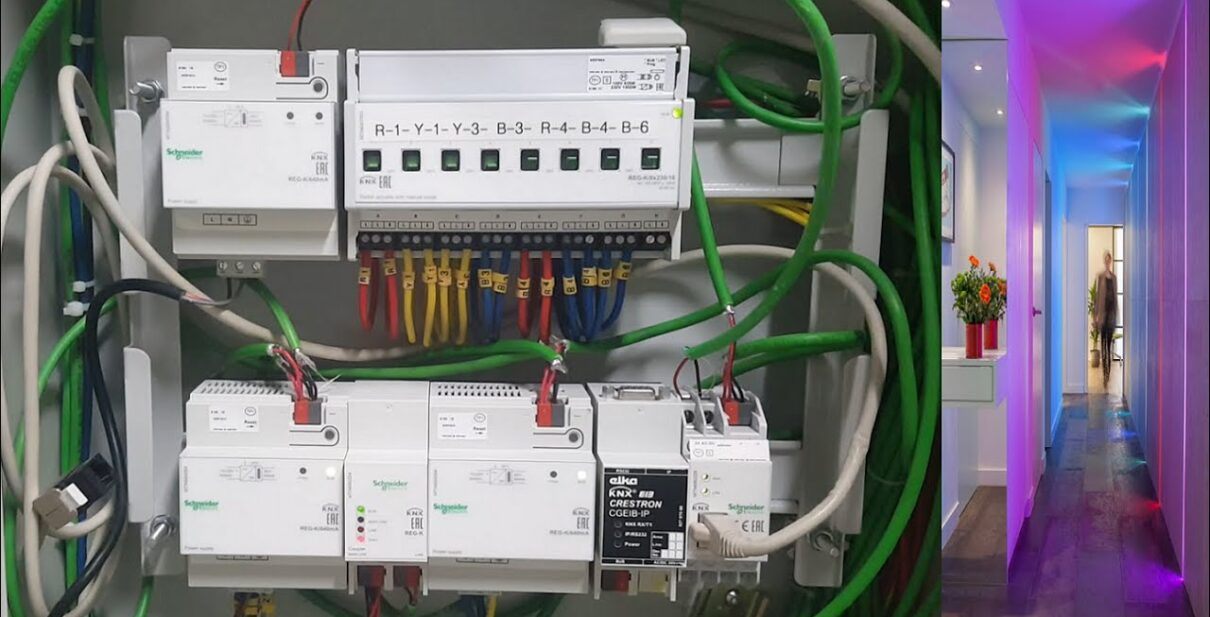
Saudi Arabia is experiencing a remarkable transformation in its construction and real estate sectors, driven by the ambitious Vision 2030 initiative. As the Kingdom moves toward becoming a global hub for innovation and sustainability, smart building technology is playing a pivotal role in reshaping how we design, construct, and operate buildings across the nation.
Vision 2030: Catalyzing Smart Building Adoption
The Saudi Vision 2030 has set clear targets for sustainable development, energy efficiency, and technological advancement. This national strategy is directly influencing the construction industry to adopt intelligent building systems that align with these goals:
Energy Efficiency Targets: The Kingdom aims to reduce energy consumption in buildings by 30% by 2030. Smart building systems, including Building Management Systems (BMS) and KNX lighting control, are essential technologies making this target achievable.
NEOM and Mega Projects: Large-scale developments like NEOM, The Line, and Red Sea Global are showcasing cutting-edge smart building technologies, setting new standards for the entire industry and inspiring smaller projects across the Kingdom.
Green Building Standards: The Saudi Green Building Council has introduced standards that heavily favor buildings equipped with intelligent systems for energy management, water conservation, and indoor environmental quality control.
Emerging Technologies Shaping the Future
Artificial Intelligence Integration: Modern building systems are incorporating AI to predict maintenance needs, optimize energy consumption, and enhance security through intelligent video analytics and behavioral pattern recognition.
Internet of Things (IoT) Expansion: The proliferation of connected devices is creating buildings that can communicate, learn, and adapt to occupant needs automatically, from smart thermostats to intelligent parking systems.
5G Connectivity: The rollout of 5G networks across Saudi Arabia is enabling real-time communication between building systems, supporting advanced applications like augmented reality maintenance and instant emergency response coordination.
Digital Twins Technology: Virtual replicas of buildings are becoming standard, allowing facility managers to simulate scenarios, optimize operations, and predict system performance before implementing changes.
Sustainability Benefits Driving Adoption
Smart buildings in Saudi Arabia are delivering measurable environmental benefits that align with national sustainability goals:
Water Conservation: Intelligent irrigation systems and leak detection technology are crucial in the Kingdom’s arid climate, reducing water waste by up to 40% in commercial buildings.
Carbon Footprint Reduction: Integrated building systems optimize HVAC operations based on occupancy and weather conditions, significantly reducing carbon emissions and supporting Saudi Arabia’s commitment to net-zero goals.
Renewable Energy Integration: Smart buildings can seamlessly integrate with solar panels and energy storage systems, maximizing the use of renewable energy sources and reducing dependence on traditional power grids.
Economic Impact and Market Growth
The smart building market in Saudi Arabia is experiencing unprecedented growth:
Investment Growth: The sector has seen over 200% growth in investment over the past three years, with both government and private sector funding driving innovation and adoption.
Job Creation: The smart building industry is creating thousands of jobs for engineers, technicians, and specialists, contributing to the Kingdom’s goal of reducing unemployment and building local expertise.
Cost Savings: Buildings equipped with intelligent systems are reporting operational cost reductions of 25-40%, making the business case for smart building technology increasingly compelling.
Challenges and Opportunities
Skills Development: The rapid adoption of smart building technology has created a demand for skilled professionals. Training programs and certifications are expanding to meet this need, creating opportunities for career advancement in the sector.
Integration Complexity: As buildings become more sophisticated, the challenge of integrating multiple systems seamlessly becomes more critical. This creates opportunities for specialized system integrators like Maghreb Wa Mashreq to provide comprehensive solutions.
Cybersecurity Considerations: With increased connectivity comes the need for robust cybersecurity measures. Smart buildings must incorporate advanced security protocols to protect against cyber threats while maintaining functionality.
Looking Ahead: What to Expect by 2030
Widespread Adoption: By 2030, smart building features will become standard rather than premium additions, with basic automation expected in all new construction projects across the Kingdom.
Regulatory Requirements: We anticipate stronger regulations mandating certain smart building features, particularly those related to energy efficiency and safety systems, making compliance a driving factor for adoption.
Technology Maturation: Current emerging technologies will become mainstream, with AI-driven building management, predictive maintenance, and fully automated systems becoming the norm rather than the exception.
Conclusion
The future of smart buildings in Saudi Arabia is not just promising – it’s already here. As the Kingdom continues its transformation under Vision 2030, buildings are becoming more intelligent, efficient, and sustainable. For property owners, developers, and facility managers, the question is no longer whether to adopt smart building technology, but how quickly they can implement these systems to stay competitive.
At Maghreb Wa Mashreq, we’re proud to be at the forefront of this transformation, helping our clients navigate the evolving landscape of smart building technology and positioning them for success in the digital future of Saudi Arabia.